Weiran Feng Lab @ Fox Chase Cancer Center
Mechanisms and Vulnerabilities of Prostate Cancer
WELCOME to the FENG LAB!
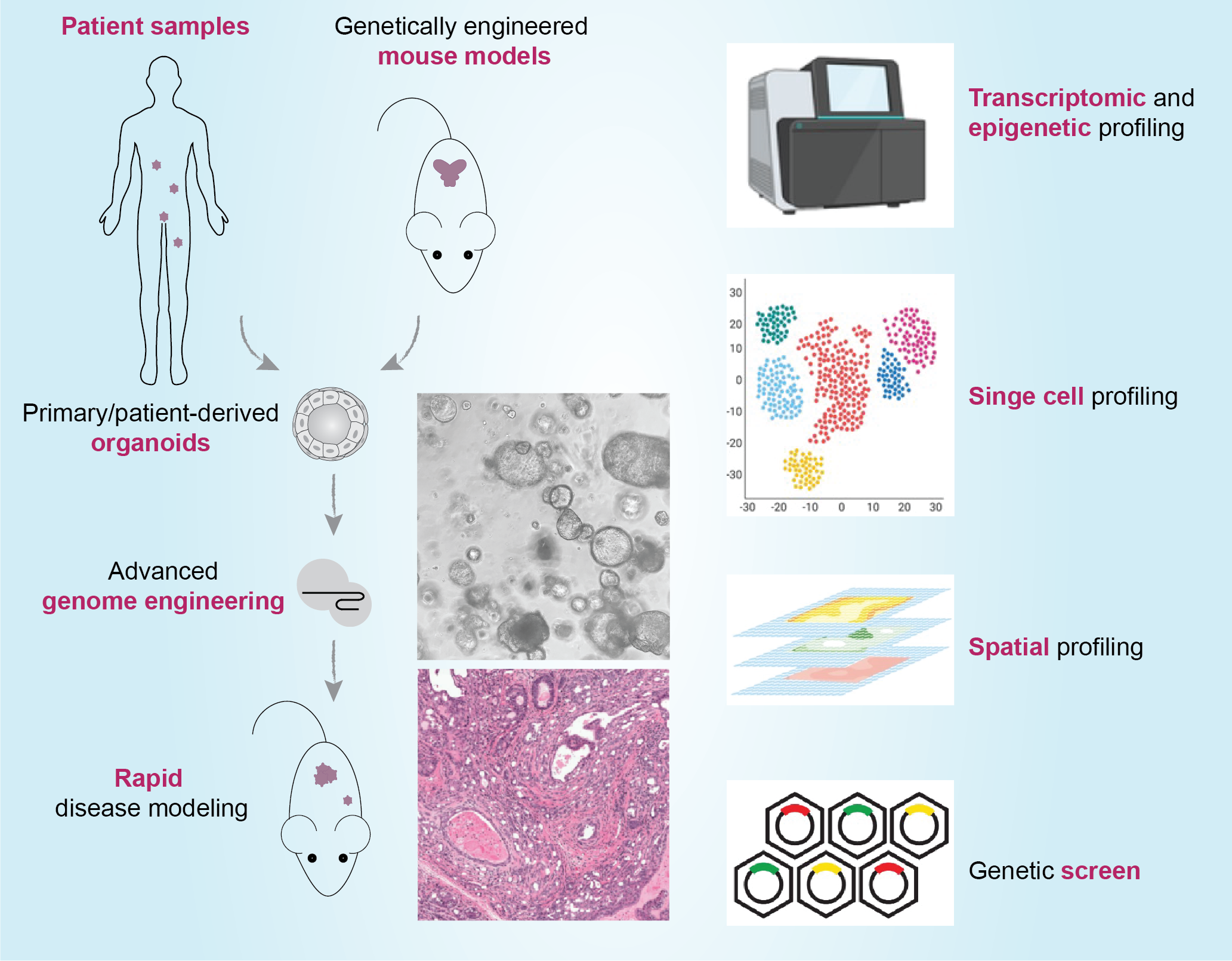
We study the mechanisms of prostate cancer development and therapy resistance. We leverage cutting-edge animal and organoid modeling technologies, genetic engineering, functional genetics and genomic approaches to dissect the molecular underpinnings of prostate cancer initiation, progression, and therapy resistance, with an interest in both cancer cell intrinsic pathways and cell-cell interactions in the tumor microenvironment. Our goal is to make mechanistic discoveries that drive the development of innovative cancer therapies to improve patient outcomes.
Enthusiastic scientists at all levels are welcome! Together, we decode cancer and design better cures. Please send your inquiry email to Dr. Weiran Feng.
RESEARCH FOCUS
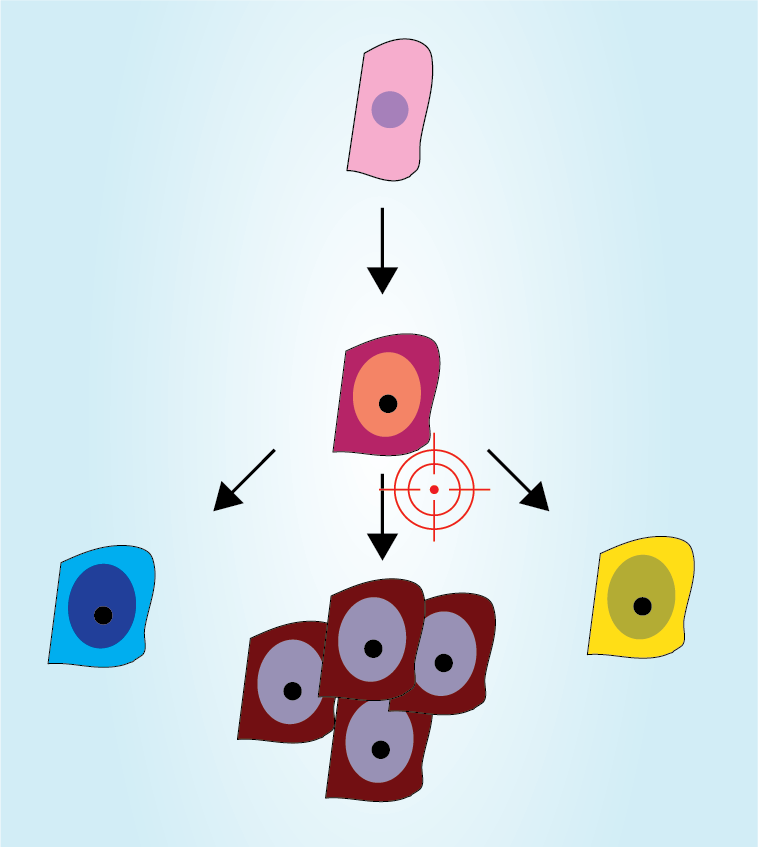
Functional map of cell fate dynamics to decode prostate cancer heterogeneity
Cancer therapy is hampered by intrinsic heterogeneity. Despite rich description of heterogeneity, distinguishing drivers from consequences remains a challenge. The lab functionally maps the cell fate dynamics to define how heterogeneity arises, how it evolves under therapy, and how to exploit it therapeutically.
Transcriptional and epigenetic vulnerabilities of prostate cancer
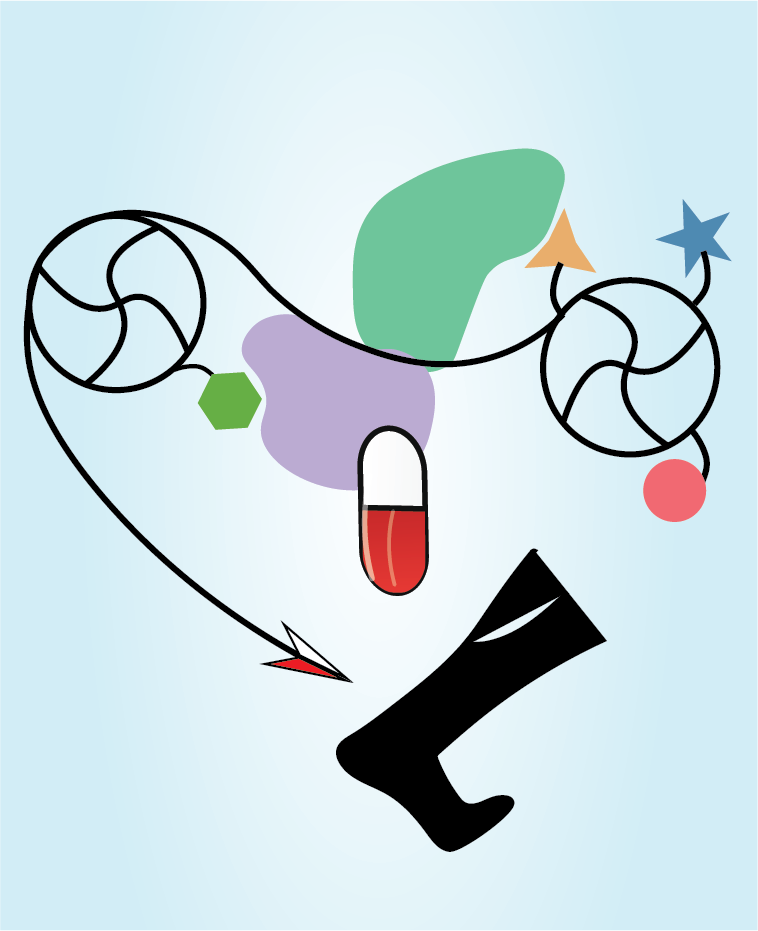
P rostate cancer is primarily driven by oncogenic transcription factors which are intrinsically challenging to target, urging the identification of novel druggable vulnerabilities. We dissect the cellular and chromatin contexts, cofactors, and downstream dependencies of these oncogenic drivers, with the goal of revealing actionable therapeutic strategies that can overcome resistance and improve patient outcomes.
Decoding and disrupting cancer–microenvironment crosstalk
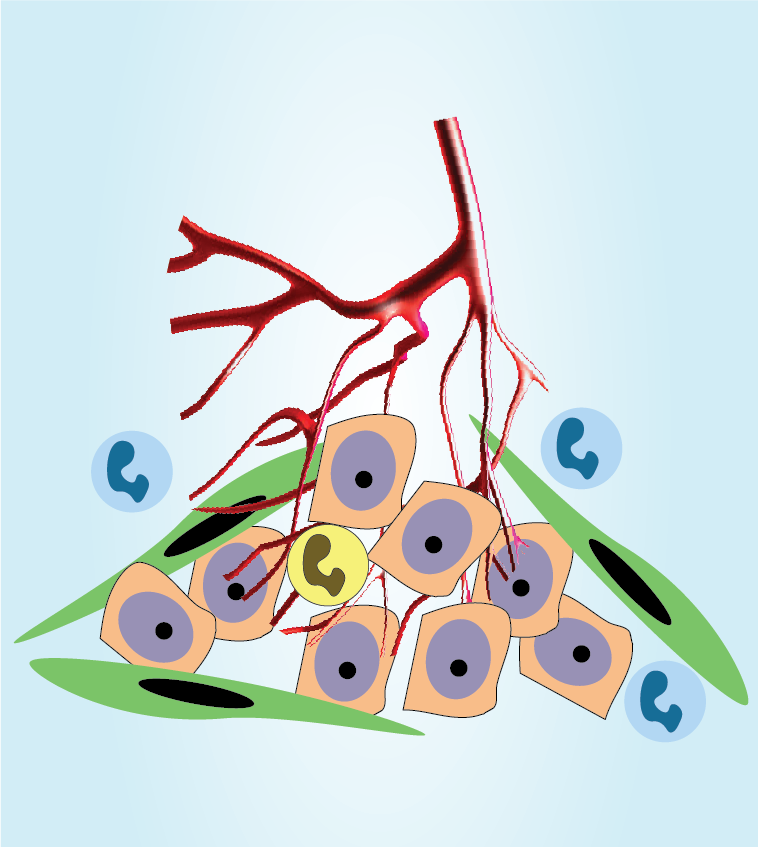
C ancer cells do not exist in isolation; they actively engage and remodel the surrounding tumor microenvironment to support their growth and survival. We seek to decode these dynamic interactions and design interventions that reprogram both cancer cells and host compartments, enabling therapeutic strategies that target the entire tumor ecosystem.